

The Thrill of Risk: What Draws People to Casinos
The allure of casinos stems largely from the thrill and excitement that gambling provides. Many individuals are naturally inclined to seek out experiences that offer a chance of winning big, and casinos capitalize on this desire for risk. The unpredictable nature of games like roulette and slot machines creates an adrenaline rush that can be intoxicating, often leading to a temporary escape from everyday life. In this context,betting companies not on gamstop are gaining popularity as players seek alternatives. This element of uncertainty, where fortunes can change in an instant, is a powerful motivator that keeps players returning.

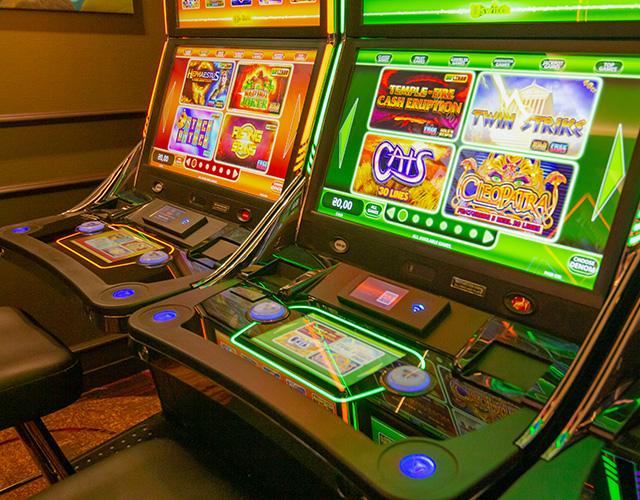
Moreover, the atmosphere within a casino is designed to heighten excitement. With flashing lights, ringing bells, and the thrill of cheering crowds, every sensory cue plays a role in enhancing the gambling experience. This environment can create a sense of euphoria, which often leads individuals to lose track of time and money. Understanding this psychological impact is crucial for recognizing why so many people are drawn to gambling establishments.
The Role of Cognitive Biases in Gambling Behavior
Cognitive biases significantly influence how individuals perceive their chances of winning. One common bias is the illusion of control, where gamblers believe they can influence the outcome of a game, even in inherently random situations. This false sense of empowerment can lead to reckless betting and an underestimation of the house edge, further compounding the risk associated with gambling.
Another prevalent bias is the gambler’s fallacy, which suggests that past events can somehow predict future outcomes. For instance, if a particular slot machine hasn’t paid out recently, a player might mistakenly believe it is “due” for a win. This can fuel continued play, as individuals chase losses based on faulty logic, leading to potentially harmful financial consequences.
The Emotional Aspects of Gambling
The emotional highs and lows of gambling profoundly impact behavior. Winning can trigger a rush of excitement and validation, reinforcing the desire to continue playing. Conversely, losses can induce feelings of frustration, shame, or even desperation, which may compel players to gamble more in an attempt to recover their lost money. This cycle of highs and lows creates an emotional rollercoaster that makes it challenging for individuals to step away.
Compounding this issue is the social aspect of gambling. Many people gamble in groups, sharing in the highs and lows with friends or family, which can amplify the emotional experience. This social reinforcement makes it harder for individuals to recognize when they should stop and can perpetuate excessive gambling behavior.
The Impact of Marketing and Casino Design
Casinos invest heavily in marketing strategies that exploit the psychological tendencies of their patrons. Loyalty programs, free drinks, and enticing promotions serve to keep players engaged and encourage them to spend more time—and money—within the facility. These strategies are not just about providing entertainment; they are designed to create a sense of belonging, making individuals feel valued while subtly encouraging further gambling.
The physical layout of a casino is also a critical aspect of its psychological impact. By utilizing open spaces, continuous sound, and a lack of clocks or windows, casinos create an environment where time seems to stand still. This design encourages players to lose track of their time and money, making it easier to gamble for extended periods without realizing how much they have spent.
Conclusion: Understanding Gambling Behavior in the Context of Safety
The exploration of gambling psychology reveals underlying factors that drive individuals to engage in this activity, often despite the inherent risks involved. Awareness of these psychological influences can help individuals make more informed decisions about their gambling habits, ideally leading to healthier engagement with games of chance.
As we prioritize safety and well-being, it is crucial to foster an understanding of how these psychological elements play into gambling practices. The Dabbler is dedicated to maintaining a secure and informative environment for discussions surrounding gambling, aiming to empower users with knowledge and protective measures against potential risks. Whether as a casual observer or an active participant, being informed enhances the experience while promoting responsible behavior.